Upgrade Your Home: Inspiring Concepts for Beautiful Home Additions
Revitalizing a home through carefully planned additions can substantially boost both its practical value and visual charm. From sunrooms that invite natural light to generous outdoor decks suited for social events, the choices are varied. Growing important rooms, including kitchens, strengthens family bonds, while a dedicated garage can eliminate storage problems. Recognizing fundamental design components and thoughtful preparation is essential. Yet, what actually encourages homeowners to welcome these upgrades? The answer is found in the extraordinary influence of thoughtfully designed home additions.
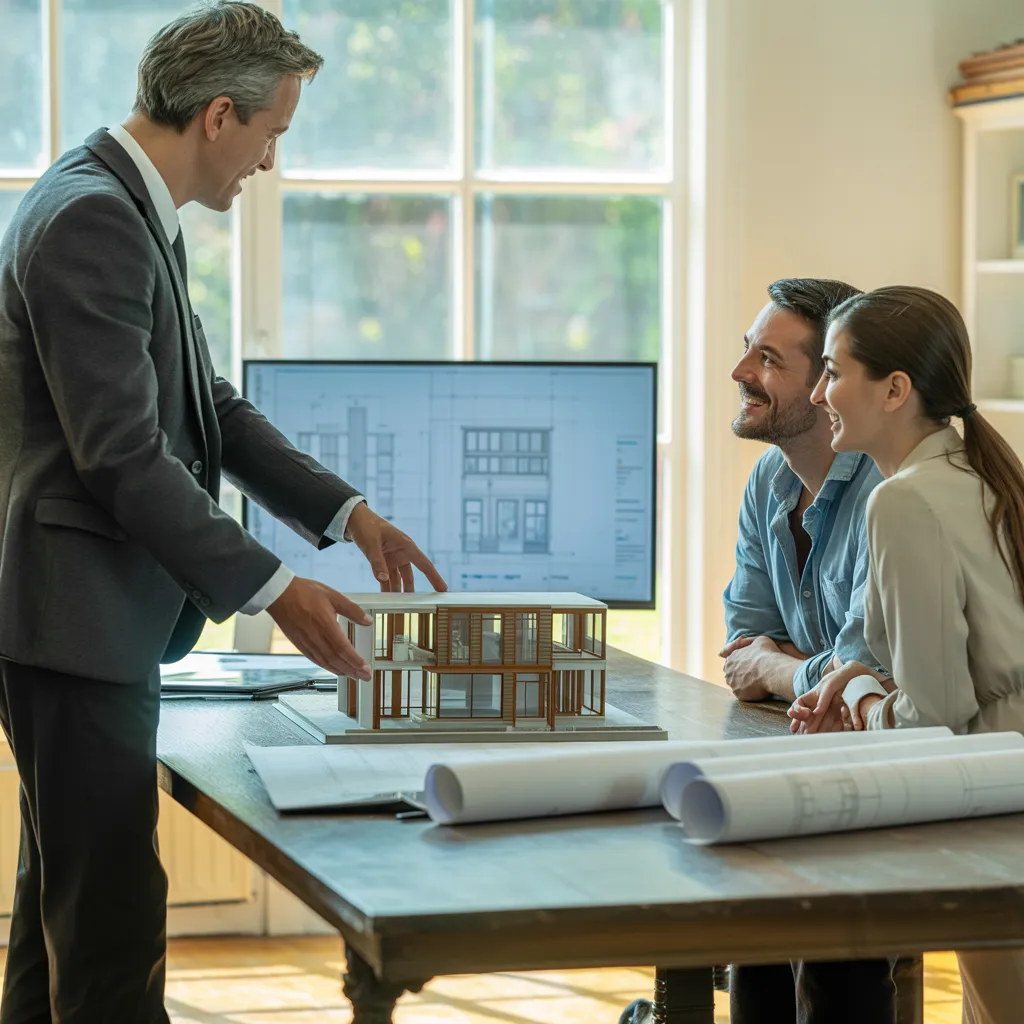
Uncover Leading Home Addition Ideas to Upgrade Your Space
Homeowners frequently look for creative methods to improve their living spaces, and exploring popular home addition ideas can offer transformative solutions. One widely favored option is the addition of a sunroom, which brings natural light indoors while creating a serene space for relaxation. Another appealing choice is a deck or patio, extending the living area outdoors and perfect for entertaining.
Homeowners can also explore broadening their kitchen areas, creating a more useful and appealing environment. A garage addition not only supplies more storage capacity but can also serve as a dedicated workspace or hobby area.
For individuals seeking more sleeping areas, a bedroom addition can offer essential privacy and comfort. Furthermore, converting attics or basements into livable spaces presents an opportunity for creative design while maximizing existing square footage. Each of these ideas has the potential to enhance both functionality and aesthetic appeal, ultimately transforming a home into a more enjoyable environment.
Ways Home Additions Can Improve Your Lifestyle?
Home additions can significantly improve living space, giving families the space they need to grow and adapt. Furthermore, expanding a home can lead to increased property value, making it a sound investment. Lastly, these additions often foster deeper family connections by creating shared areas for activities and gatherings.
Elevate Living Space
Enlarging a living space through residential additions can significantly transform one's way of living by delivering greater comfort and functionality. For households, new rooms can support growing needs, such as a dedicated play area for kids or a home office for remote work. A thoughtfully designed addition can establish a seamless flow between outdoor and indoor spaces, promoting social interaction and relaxation. Moreover, integrating elements like large windows or open floor plans cultivates a sense of spaciousness and natural connection. Enhanced living spaces also enable customized design decisions, expressing unique tastes and styles. Ultimately, home expansions not only maximize existing spaces but also develop spaces that enhance well-being and elevate everyday living.
Improve Property Value
Committing resources to residential expansions can significantly increase a property's market value, making it a wise financial decision. By increasing living space or get more info introducing useful living zones, sellers can appeal to interested purchasers and boost selling prices. Additions like new bedrooms, contemporary kitchens, or multipurpose living areas frequently generate impressive investment returns. Furthermore, enhancements like sunrooms or decks not only improve aesthetics but also cater to modern lifestyle preferences, further boosting desirability. A well-planned addition can convert a property into a higher-value investment, responding to today's market conditions and buyer interests. Ultimately, purposeful residential additions offer an intelligent method of maximizing property value while elevating the quality of life for present homeowners.
Build Family Relationships
A thoughtfully crafted addition can greatly improve family bonds by establishing spaces that foster interaction and togetherness. Open-plan floor plans, such as family rooms or generous kitchens, serve as hubs for shared activities, nurturing communication and bonding. Purpose-built areas for hobbies or playrooms provide children a place to interact, while adults can enjoy nearby social spaces. Moreover, incorporating outdoor living spaces, like patios or decks, enables families to come together in a welcoming environment. These enhancements not only encourage everyday connections but also establish a backdrop for memorable gatherings and celebrations. Ultimately, thoughtfully designed home additions transform living environments into nurturing spaces that reinforce family ties, improving overall quality of life.
Essential Design Elements to Enhance Your Home Addition
When property owners think about a home addition, including fundamental design features can greatly improve both visual appeal and practicality. Key elements include natural light, which can be achieved through large windows or skylights, establishing a luminous and appealing area. Additionally, an open floor plan fosters effortless movement between existing and new areas, establishing an atmosphere of harmony.
Integrating coordinating materials and tones guarantees the extension integrates naturally with the original design, sustaining design consistency. Strategic placement of furniture and fixtures maximizes practicality, ensuring the area serves everyday needs. Exterior links, for example a patio or deck, may expand living spaces and promote outdoor activities. Ultimately, sustainable design approaches, including proper insulation and sustainable materials, promote enduring cost reductions and environmental stewardship. By focusing on these essential design elements, homeowners are able to develop a unified and attractive extension that elevates their lifestyle.
Plan Your Home Addition Project Effectively
Careful planning is critical for a productive home addition project. Homeowners ought to start by identifying their priorities, whether it's generating additional living space, boosting practical use, or raising the home's value. Creating a solid vision assists in directing the design and construction process. Additionally, reviewing regional zoning ordinances and construction codes is necessary to secure conformity and sidestep potential obstacles.
Developing a timeline that outlines every phase of the work helps with sustaining clarity and responsibility. Property owners should also consider engaging specialists, for example architects or construction professionals, for expert advice and to streamline the project.
In addition, prioritizing collaborative communication among all parties promotes cooperation and tackles problems as they emerge. To conclude, considering long-term needs can support the development of an addition built to serve evolving needs. Through implementing these strategies, homeowners are better equipped to manage their home addition projects with assurance and direction.
Financial Planning for Your Home Addition: Must-Know Tips
Creating a budget for a home addition necessitates meticulous planning and consideration to prevent unforeseen costs. Homeowners should begin by determining a reasonable budget that covers all aspects of the project, such as permits, building materials, labor costs, and contingency expenses. It is recommended to set aside an additional 10-20% of the total budget for contingencies.
Reviewing and contrasting prices from different contractors can provide valuable insights and help in making informed decisions. Additionally, homeowners should prioritize their needs versus wants, ensuring that essential features are included while remaining within budget.
Establishing a thorough timeline can help with coordinating costs with construction stages, minimizing financial strain. Finally, working with a financial expert or a contractor can shed more light on likely costs and payment alternatives, making certain that the budget remains manageable throughout the residential addition endeavor. This thoughtful strategy contributes to a successful and financially sound home expansion.
Inspiring Real-Life Home Addition Transformations
Inspiring home addition transformations showcase the extraordinary promise of home interiors. One standout case is a humble bungalow that was subject to a transformative transformation with a sleek, modern expansion. By adding a spacious culinary and dining zone, the homeowners enhanced their cooking experience while establishing a warm meeting place for family and friends.
One notable transformation showcases a compact dwelling that expanded vertically with a appealing loft, making the most of the space by incorporating a comfortable reading corner. This ingenious approach not only increased usability but also brought personality to the space.
Ultimately, a suburban ranch-style house embraced a modern look with a glass-walled sunroom, bathing the interior in warm natural light and revealing spectacular sights of the back garden.
These actual transformations demonstrate the numerous opportunities for residential additions, encouraging homeowners to imagine their own distinctive upgrades and redefine their living environments.
Commonly Asked Questions
What Permits Are Necessary for a Home Addition Project?
For a home addition project, it is typically necessary to obtain the appropriate building permit, zoning approval, and in some cases electrical or plumbing permits. Building codes and regulations vary by location, so checking with your municipal office is essential to ensure all requirements are met.
How Long Does a Typical Home Addition Take to Complete?
An average home addition typically takes anywhere from two to six months to be completed, depending on factors such as permits, size, complexity, and weather conditions. Thorough planning and an efficient contractor can greatly affect the overall timeline.
Can I Continue Living in My Home Throughout the Addition Process?
Indeed, homeowners can often stay in their homes during the home addition process. However, factors like the scope of the project, work area, and sound levels may disrupt daily comfort and access, calling for temporary adjustments or accommodations during construction.
What Are Common Mistakes to Avoid When Planning an Addition
Frequent errors to watch out for when designing a home addition include failing to accurately estimate expenses, overlooking required permits, failing to address structural concerns, neglecting to evaluate future demands, and failing to seek expert guidance. Careful planning guarantees smoother execution and better results.
How Can I Select the Best Contractor for My Project?
To identify the right specialist, it is important to investigate experience, verify recommendations, and establish effective communication. Comparing multiple bids and examining previous work can assist in identifying trustworthiness and alignment for the particular home improvement project.
Comments on “East Palo Alto Home Additions for Garage Conversions”